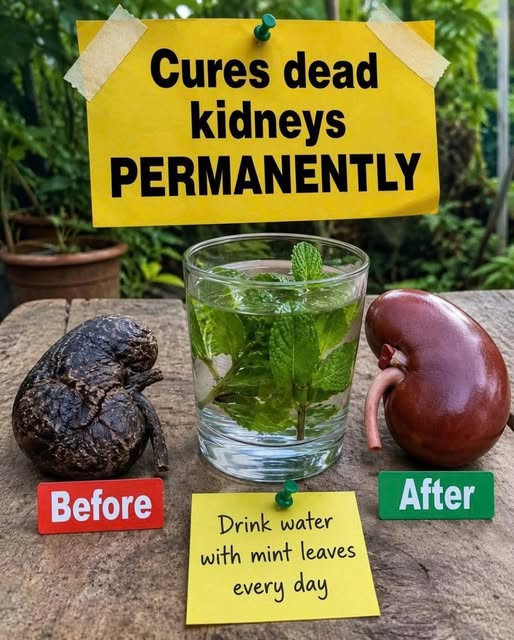
A refreshing glass of water with fresh mint leaves may seem like a simple addition to your daily routine, but could it really help your kidneys?
Mint water has become popular among people looking for natural ways to support their health. It is refreshing, easy to prepare, and can make drinking water more enjoyable. However, some online posts make dramatic claims that mint water can permanently cure kidney damage.
The truth is important: mint water cannot revive dead kidneys or permanently cure kidney failure. Nevertheless, drinking enough fluid, when appropriate for your medical condition, can play a role in supporting normal kidney function.
Let’s explore what mint water can do, how to prepare it, and what people with kidney problems should know.
1. Why Are Healthy Kidneys So Important?
Your kidneys perform several essential functions every day. They filter waste products from the blood, help maintain the body’s fluid and electrolyte balance, regulate blood pressure, and contribute to red blood cell production.
When the kidneys become damaged, these functions may become less effective. Kidney disease can develop gradually, sometimes without obvious symptoms in its early stages.
Severe kidney damage may be permanent, although treatment can help manage the condition and protect remaining kidney function. Some forms of acute kidney injury can improve when the underlying cause is treated promptly.
That is why kidney problems should always be evaluated by a qualified healthcare professional rather than treated with a homemade drink.
2. Can Mint Water Support Your Health?
Mint leaves add a pleasant aroma and refreshing flavor to plain water. Although mint contains plant compounds, there is not strong clinical evidence that drinking mint-infused water repairs damaged kidneys.
Its most practical benefit may be helping people who dislike plain water drink more fluids.
Adequate hydration supports normal body functions, but drinking excessive amounts of water does not improve kidney health indefinitely. People with advanced kidney disease, heart failure, or a prescribed fluid restriction may need to limit their fluid intake.
If you have kidney disease, follow the fluid recommendations provided by your healthcare team.
3. Three Potential Benefits of Drinking Mint Water
It Makes Water More Enjoyable
Fresh mint can give water a refreshing taste without the added sugar found in many soft drinks and sweetened beverages.
Replacing sugary drinks with unsweetened mint water may help reduce added sugar consumption.
It Helps You Stay Hydrated
Water is essential for normal bodily functions. For people who have no medical reason to restrict fluids, drinking regularly throughout the day helps meet hydration needs.
However, individual fluid requirements vary depending on activity, climate, health conditions, and medications.
It Provides a Flavorful Alternative to Sweetened Drinks
Mint-infused water is naturally low in calories when prepared without sugar, honey, or syrup.
It can be part of a balanced eating pattern, although it should not be considered a treatment for kidney disease or another medical condition.
4. How to Make Fresh Mint Water
You can prepare mint water in just a few minutes using simple ingredients.
Ingredients
- 1 glass of drinking water
- 4–6 fresh mint leaves
- A slice of lemon, optional
- Ice cubes, optional
Instructions
- Wash the mint leaves thoroughly under clean running water.
- Gently crush or rub the leaves between your fingers to release their aroma.
- Add the leaves to a glass of drinking water.
- Let the mixture sit for approximately 5–10 minutes.
- Add a slice of lemon if desired.
- Enjoy it as a refreshing beverage.
There is no medically established amount of mint water that can repair kidneys. You can enjoy it for its flavor if it is suitable for your dietary and medical needs.
5. What If Your Kidneys Are Already Damaged?
This is where it is especially important to separate online health claims from medical evidence.
Chronic kidney disease can cause lasting damage, and advanced kidney failure may require specialized treatment, including dialysis or a kidney transplant.
Mint water cannot replace these treatments. Nor can it reliably remove kidney stones, reverse kidney scarring, or restore lost kidney function.
The appropriate treatment depends on the cause and severity of the kidney problem. Doctors may recommend blood and urine tests, blood pressure management, medication, dietary adjustments, or other interventions.
Early diagnosis and appropriate care can make a meaningful difference in managing many kidney conditions.
6. Signs That Your Kidneys May Need Medical Attention
Kidney disease may not cause noticeable symptoms at first. When symptoms do appear, they can include:
- Swelling in the feet, ankles, or legs
- Changes in urination
- Persistent fatigue or weakness
- Nausea or reduced appetite
- Blood in the urine
- Shortness of breath, particularly when fluid builds up
These symptoms can have many causes and do not automatically mean someone has kidney disease.
Seek urgent medical attention for severe shortness of breath, chest pain, confusion, or a major reduction in urine output accompanied by feeling very unwell.
People with diabetes, high blood pressure, or a family history of kidney disease should discuss appropriate kidney screening with their healthcare professional.
7. Simple Habits That Can Help Protect Kidney Health
Rather than relying on a miracle drink, focus on habits supported by medical evidence.
Manage blood pressure. High blood pressure can damage the kidneys over time. Follow your treatment plan and monitor your readings as advised.
Control blood sugar. Diabetes is a major risk factor for chronic kidney disease. Appropriate treatment and monitoring can help reduce complications.
Choose a balanced diet. Eat a variety of nutritious foods and follow any kidney-specific dietary guidance you have received.
Use medicines carefully. Frequent or prolonged use of certain painkillers, including ibuprofen and naproxen, can harm the kidneys in some circumstances. Ask a healthcare professional which medicines are appropriate for you.
Stay hydrated appropriately. Drink fluids according to your body’s needs and any medical restrictions.
Get recommended checkups. Blood and urine tests can help detect kidney problems, especially in people at higher risk.
Final Thoughts
Mint water is a refreshing, inexpensive drink that can make hydration more enjoyable. When appropriate for your health, it can be a useful alternative to sugary beverages.
But no reliable scientific evidence shows that mint water can permanently cure kidney failure or restore kidneys that have stopped functioning.
If you have kidney disease, do not stop prescribed medication, dialysis, or other treatment in favor of a home remedy. Ask your healthcare professional which foods and fluids are appropriate for your specific condition.
Your kidneys deserve evidence-based care—not promises of a miracle cure.
Medical Disclaimer: This article is for educational purposes only and does not replace professional medical advice, diagnosis, or treatment. Anyone with kidney disease or a prescribed fluid restriction should consult their healthcare team before making changes to fluid intake.