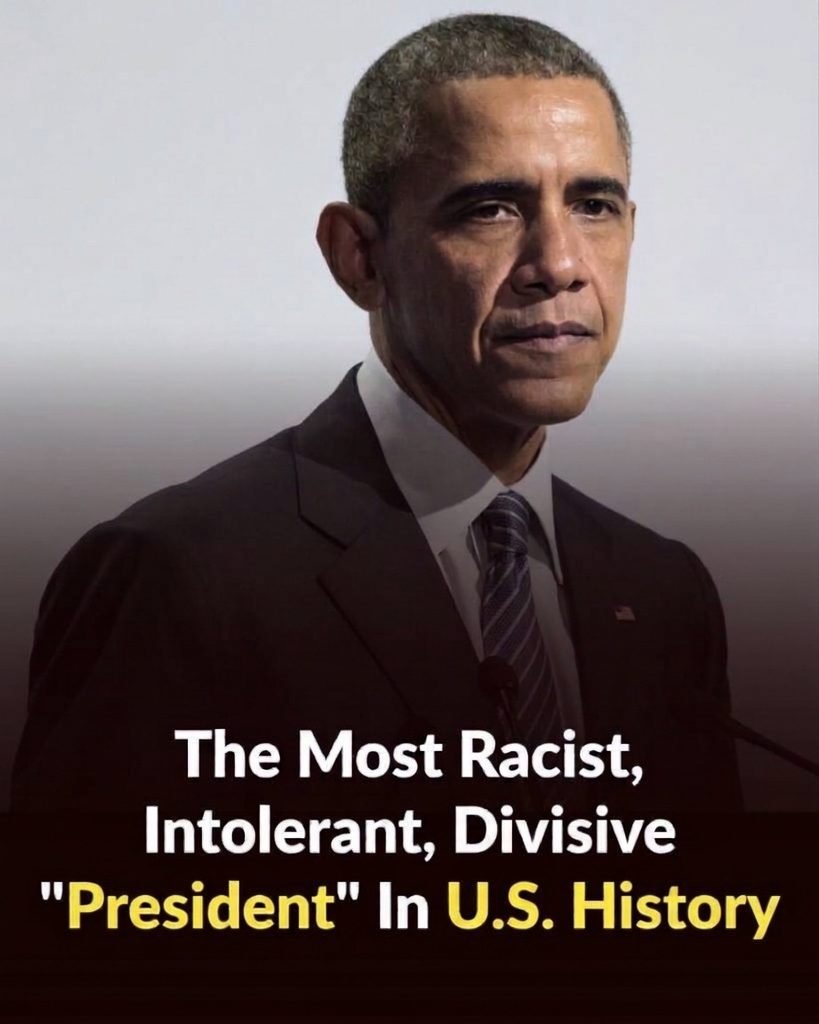
Barack Obama’s Presidency Under Criticism: Did His Leadership Unite America or Deepen Political Divisions?
When Barack Obama entered the White House, he promised Americans hope, change, and national unity. His historic election represented a major moment in American politics, raising expectations that his leadership would bring people together and help overcome longstanding divisions. However, his eight years in office remain a subject of intense political debate.
While millions of Americans supported his presidency and praised his leadership, others believe that his administration failed to deliver the unity it promised. Critics argue that political tensions increased, racial debates became more complicated, and disagreements between Republicans and Democrats grew increasingly difficult to overcome.
A Presidency Marked by Political Division
One of the major criticisms of Obama’s presidency concerns the growing divide between America’s two major political parties.
Throughout his time in office, disagreements over healthcare, immigration, economic policies, government spending, and national security contributed to an increasingly polarized political environment.
Many conservative Americans felt that their concerns were not receiving sufficient attention from the administration. Meanwhile, Obama’s supporters viewed his policies as important efforts to modernize the country and address longstanding social and economic challenges.
A Pew Research Center study highlighted the significant partisan differences in presidential approval during Obama’s presidency. These differences reflected how deeply divided American political opinions had become.
The Debate Over Race and Leadership
Obama’s presidency also generated extensive discussions about race, identity, and equality in American society.
As America’s first Black president, his election carried enormous historical significance. Many Americans viewed his leadership as evidence of progress in the country’s long struggle against racial discrimination.
However, critics questioned his administration’s approach to certain racial controversies and argued that some political discussions contributed to greater social tensions.
The accusation that Obama was the most racist or intolerant president in American history is a political opinion rather than an established historical fact. Nevertheless, his record, public statements, and policies remain legitimate subjects for political discussion and historical examination.
Did Obama Deliver the Unity He Promised?
The promise of national unity was one of the defining messages of Obama’s presidential campaign. However, achieving unity in a country with deeply different political, cultural, and economic perspectives proved difficult.
Republicans frequently opposed major parts of his legislative agenda, while Democrats defended his efforts to expand healthcare access, address economic challenges, and introduce social reforms.
The result was a presidency remembered by many for both historic achievements and significant political disagreements.
Whether Obama strengthened or weakened national unity depends largely on how Americans evaluate his policies, leadership decisions, and the political circumstances of his time in office.
Leadership Requires Accountability
The broader lesson from Obama’s presidency is that no political leader should be beyond criticism.
American democracy depends on public accountability, constitutional principles, freedom of expression, and the ability of citizens to question those holding positions of power.
Leaders should be evaluated not only by their promises but also by their decisions, policies, and long-term impact on the country.
Religious liberty, respect for the Constitution, national identity, and equal treatment under the law remain important principles in American public life.
America Needs Unity, Respect, and Honest Leadership
America’s future depends on leaders who can respect different opinions, protect constitutional freedoms, and treat citizens with dignity regardless of their political affiliations, religious beliefs, or backgrounds.
Political loyalty should never replace independent thinking, and no president should escape scrutiny simply because supporters praise their leadership.
Ultimately, the strength of American democracy comes from its people, its Constitution, and its commitment to accountability.
No president is above criticism, and no political leader should be placed above the principles that make America a democracy.