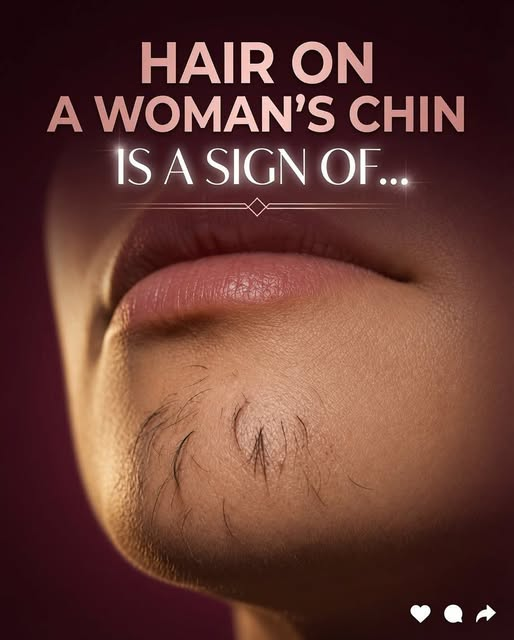
Noticing a few hairs on your chin can be surprising, especially if you have never experienced facial hair before.
Many women wonder whether chin hair is a sign of a hormonal problem, a medical condition, or simply a normal part of aging.
The truth is that chin hair in women is often completely normal, but in some cases, it may indicate changes in hormone levels.
Understanding the possible reasons can help you decide when it is nothing to worry about and when you should speak with a healthcare professional.
1. Hormonal Changes
One of the most common reasons women develop chin hair is a change in hormone levels.
Androgens, sometimes called male hormones, are naturally present in women as well as men.
When androgen levels increase, or when hair follicles become more sensitive to these hormones, thicker and darker hairs may begin to grow on the chin, upper lip, chest, or other areas.
Hormonal changes can happen at different stages of life, including puberty, pregnancy, and menopause.
A few isolated hairs do not automatically mean that something is wrong with your hormones.
2. Polycystic Ovary Syndrome (PCOS)
Polycystic ovary syndrome, commonly known as PCOS, is one possible medical cause of excessive facial hair growth in women.
PCOS can affect hormone levels and may cause symptoms such as:
- Irregular or missed menstrual periods
- Persistent acne
- Increased facial or body hair
- Thinning hair on the scalp
- Difficulty getting pregnant
However, chin hair alone is not enough to diagnose PCOS. A healthcare professional will consider your menstrual history, other symptoms, medical history, and, when appropriate, laboratory tests.
3. Aging and Menopause
As women get older, their hormone balance changes.
During and after menopause, estrogen levels decline, and some women notice more noticeable facial hair.
You may discover a few coarse hairs on your chin even if you never had them when you were younger.
This can be a normal part of aging, particularly when the hair develops gradually and there are no other unusual symptoms.
4. Genetics and Family History
Sometimes, the explanation is simply genetics.
If your mother, grandmother, or other female relatives have chin hair, you may be more likely to experience it too.
Hair growth patterns vary naturally from person to person and can be influenced by inherited traits.
Some women naturally have darker or coarser facial hair without having a hormonal disorder.
5. A Condition Called Hirsutism
Hirsutism refers to excessive growth of coarse, dark hair in women in areas where this type of hair growth is more typical in men, including the chin, upper lip, chest, and abdomen.
It can be associated with elevated androgen levels, PCOS, certain medications, or other medical conditions.
In some women, no clear underlying cause is identified.
If facial hair is becoming noticeably thicker, spreading to new areas, or causing concern, a healthcare professional can help determine whether an evaluation is needed.
6. Certain Medications or Medical Conditions
Some medications can contribute to unwanted hair growth.
Less commonly, medical conditions involving the adrenal glands or ovaries can affect androgen production.
In rare cases, a sudden increase in coarse facial hair may be associated with a condition that needs prompt medical attention.
Seek medical advice if facial hair develops rapidly, especially if it occurs alongside a deeper voice, increased muscle mass, severe acne, or rapid scalp hair loss.
Do not stop taking prescribed medication without consulting your healthcare professional.
7. Does Chin Hair Mean Something Is Wrong?
Not necessarily.
A few chin hairs do not automatically indicate PCOS, infertility, or another health problem.
Many women experience occasional facial hair because of genetics, age, or normal differences in hormone sensitivity.
The important factors are how quickly the hair appears, whether the amount is increasing, and whether other symptoms are present.
If your periods are irregular or you have other signs of hormonal changes, consider arranging a medical appointment.
How Can Women Manage Chin Hair?
If chin hair bothers you, several options are available:
- Tweezing: Useful for removing a few individual hairs.
- Shaving: A quick option that does not make hair grow back thicker, although the regrowing hair may feel stubbly.
- Waxing or threading: Can remove hair temporarily but may irritate sensitive skin.
- Laser hair removal: Can reduce hair growth over multiple sessions, although results vary by hair and skin type.
- Electrolysis: A method that can permanently remove treated hair follicles over time.
If excessive hair growth is related to a hormonal condition, treating the underlying cause may help reduce new hair growth.
A healthcare professional can discuss suitable treatments based on your symptoms and medical history.
When Should You See a Doctor?
Consider seeking medical advice if you notice:
- A sudden or rapid increase in facial hair
- New coarse hair growth along with irregular periods
- Persistent acne or thinning scalp hair
- A deeper voice or other noticeable changes in physical appearance
- Facial hair that is increasing significantly over a short period
These symptoms do not necessarily mean you have a serious condition, but they may warrant an evaluation.
Final Thoughts
Hair on a woman’s chin can be a sign of normal genetics, aging, or changing hormone levels.
Sometimes, it may be associated with PCOS or another medical condition, particularly when excessive hair growth occurs alongside other symptoms.
The key is to pay attention to changes rather than panic over a few hairs.
If the growth is gradual and limited, it is often harmless.
If it develops suddenly or comes with other hormonal symptoms, speaking with a healthcare professional is a sensible next step.
Every woman’s body is different, and facial hair is nothing to be ashamed of.
Understanding the possible causes can help you make informed decisions about your health and personal care.
Medical disclaimer: This article is for general informational purposes only and is not a substitute for professional medical advice, diagnosis, or treatment.