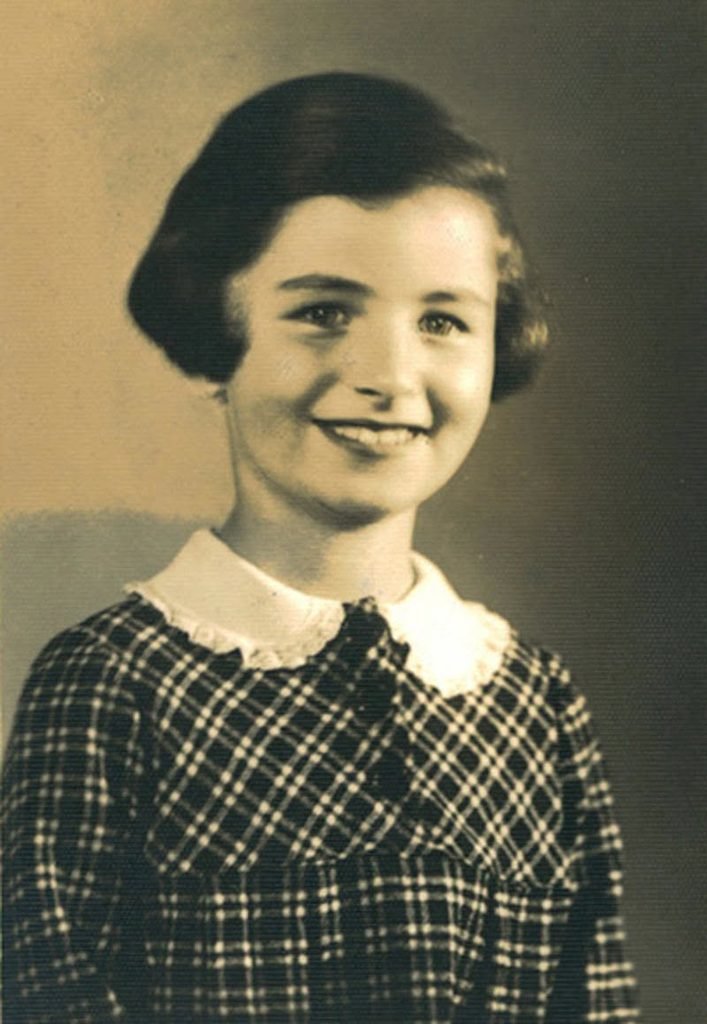
On November 27, 1929, a little girl named Hana Neuschulová was born in Ústí nad Labem, a city in what is now the Czech Republic.
She was born into a world that would change dramatically during her short lifetime. As a Jewish child growing up in Europe, Hana would eventually become one of the countless victims of Nazi persecution during the Holocaust.
Today, her name is remembered as part of the history of the children who never returned from Auschwitz.
A Childhood Stolen by Nazi Persecution
During World War II, Nazi Germany systematically persecuted Jewish communities across occupied Europe.
Jewish families faced discrimination, forced displacement, imprisonment, and deportation. Children who should have been spending their days learning, playing, and growing up instead found themselves caught in a system designed to destroy their communities.
Hana’s life was also swept into this terrible period of history.
She was eventually imprisoned in the Theresienstadt ghetto, a place where thousands of Jewish people were held under brutal conditions.
The Deportation to Auschwitz
On September 6, 1943, Hana was deported from Theresienstadt to Auschwitz.
She was only 13 years old.
That same day, two transports carrying approximately 5,000 Jewish prisoners left Theresienstadt for Auschwitz-Birkenau. Unlike many other Jewish transports, these prisoners were initially placed in a special family section of the camp, where families were not immediately separated in the usual way.
However, this did not mean they were safe. The section was part of the Nazi deception surrounding the true purpose of the camp.
Hana did not survive.
The available historical record does not establish the exact circumstances or date of her death, but her name remains among those remembered as victims of Auschwitz.
The Children of Auschwitz
Hana’s story represents the fate of countless children whose lives were destroyed by Nazi persecution.
According to the Auschwitz-Birkenau Memorial and Museum, approximately 232,000 children and young people were deported to Auschwitz during the camp’s existence.
The majority were Jewish.
Many were murdered, while others endured hunger, disease, forced labor, separation from their families, and unimaginable cruelty.
Only a small number survived until the liberation of the camp in January 1945.
Remembering Hana Neuschulová
There are no widely documented personal stories about Hana’s daily life, her family, or her final days.
But we know her name. We know where she was born. We know when she was deported. And we know that she never returned.
Remembering Hana is about more than recalling a date in history.
It is about recognizing that behind every name in the Holocaust records was a real human being — a child with a life that deserved to continue.
Hana Neuschulová was just 13 years old.
Her story reminds us why the names and lives of Holocaust victims must never be forgotten.
May her memory be a blessing.