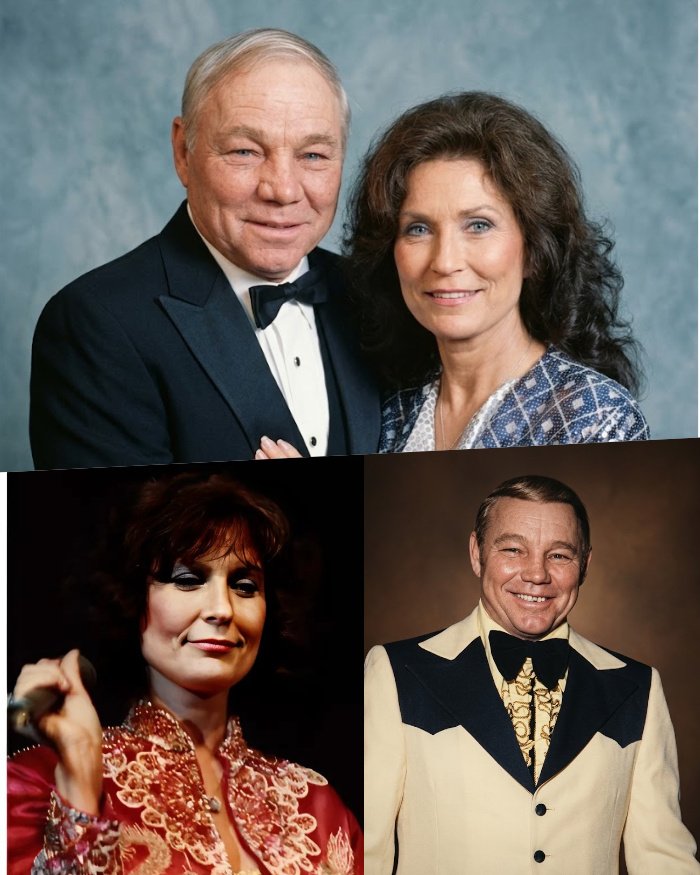
During a heated argument in their early marriage, Doo raised his hand and slapped her across the face. Instead of retreating into tears or fear, the petite mountain woman fired back with an immediate punch straight to his mouth.
The blow struck hard enough to snap his front tooth, sending it skittering across the bare wooden floorboards. Loretta froze in place, braced for an explosive retaliation from a man known for his fiery temper.
Instead, Doo stared down at the tooth on the floor, touched his bleeding lip, and burst into uncontrollable laughter. The sheer audacity of his ninety-pound wife fighting back broke the tension in a way neither of them expected.
Doo did not hide the gap. For months, he walked around with that missing front tooth, grinning openly among neighbors and drinking buddies as an unspoken badge of honor. It served as daily proof that the Appalachian woman he married was nobody’s doormat, and physical violence between them ceased for good.
When Doo finally sat in a dentist’s chair to replace that tooth years later, the bill was paid with Loretta’s first hard-earned earnings from Nashville stages. She had defended her dignity with her knuckles, then settled the score with the voice that made her famous.
The quiet domestic pacts, private accounts of their forty-eight-year marriage, and early tour road stories reveal the real partnership behind one of country music’s toughest icons.
Please scroll down for the video. It is at the end of the article!
LORETTA LYNN NEVER BACKED DOWN FROM A FIGHT — AND ONE FIERCE KITCHEN BLOW PERMANENTLY REWROTE THE RULES OF HER FORTY-EIGHT-YEAR MARRIAGE.
Long before she stood on the stage of the Grand Ole Opry in floor-length gowns, Loretta Lynn lived through the hard-scrabble reality of isolated rentals and scarce wages alongside Oliver “Doolittle” Lynn. Married in January 1948 before her sixteenth birthday, she quickly learned that surviving beside a headstrong, hard-drinking husband required an iron will.
Their early household was volatile, frequently tested by long absences, stubborn pride, and sudden tempers. During one bitter clash in their modest home, Doo lost his composure and struck Loretta across the face.
Instead of collapsing in tears or retreating into the bedroom, the petite mountain woman answered with an immediate, instinctual punch straight to his mouth. The impact snapped one of Doo’s front teeth, sending it clattering across the bare wooden floorboards.
Loretta braced herself for a furious retaliation, fully aware of Doo’s reputation for fiery outbursts. Instead, Doo looked down at the tooth on the floor, touched his bleeding lip, and burst into uncontrollable laughter at the audacity of his ninety-pound wife fighting back.
That single moment drew a permanent line across their domestic life. Doo never struck her again, and for months he walked around town with the noticeable gap in his smile, showing it off to friends and neighbors like a badge of respect for the woman waiting at home.
When Doo finally sat in a dental chair to replace the missing tooth years later, the invoice was settled using Loretta’s earliest performance checks from Nashville stages. She had defended her ground with her knuckles, then closed the ledger using the very voice that lifted them out of poverty.
Their bond was never simple, but it was anchored by a fierce working partnership. During their earliest tours in the late 1950s and early 1960s, the couple packed their children and belongings into an old sedan, driving endless back roads across the country.
While Loretta rested in the passenger seat between stops, Doo walked into remote radio stations, cajoling disc jockeys to spin her debut record, “I’m a Honky Tonk Girl,” and refusing to leave until her name was on the air. When arguments flared between towns, their reconciliations took place over diner coffee at dawn, piecing together enough gas money to reach the next auditorium.
Behind closed doors, their marriage was governed by unwritten truces. Doo was a deeply flawed partner whose restless habits caused undeniable heartbreak, yet he remained the one person who recognized her raw talent before the music industry ever paid attention.
Loretta refused to sanitize that struggle for public consumption. Instead of masking the bruises and late-night grievances, she poured the lived truth of their relationship directly into songs that shattered country music’s expectations for female artists.
She sang openly about unfaithful husbands, barroom confrontations, and the everyday resilience required of working-class women. Her honesty gave listeners permission to acknowledge their own private heartaches without shame.
They stayed together for nearly five decades until Doo passed away in 1996, bound by a devotion that remained incomprehensible to outsiders but unbreakable to the two people who lived it.
The broken tooth on an old wooden floor never signaled the end of a family. It marked the day two stubborn mountain souls realized that if they were going to walk through this life together, they would do it as equals.