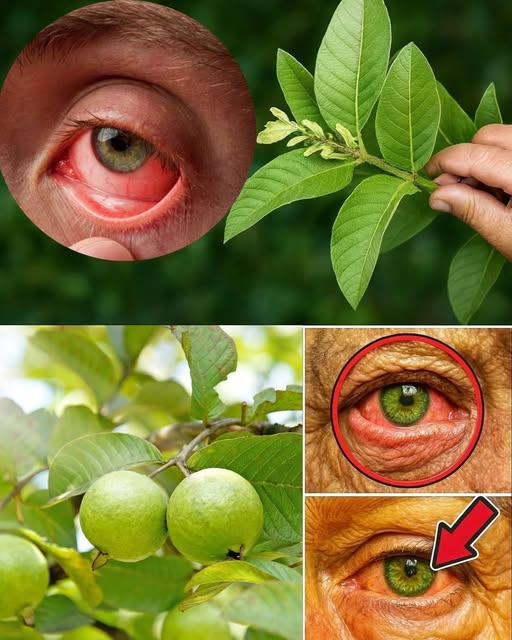
Guava is a delicious tropical fruit packed with vitamin C, fiber, and other beneficial nutrients. But did you know that a balanced diet containing guava may also help support your overall eye health?
Many people search for natural remedies to improve their eyesight, relieve eye discomfort, or protect their vision as they get older. Guava is often mentioned in traditional health advice because it contains important vitamins and antioxidants.
However, it is essential to understand the difference between supporting healthy eyes through nutrition and treating an actual eye condition. Guava can contribute to a nutritious diet, but there is no reliable evidence that it cures eye diseases, removes cataracts, or restores lost vision.
Here is what you should know about guava, its nutritional benefits, and safe ways to include it in your daily routine.
1. Guava Provides Vitamin C for Overall Eye Health
Vitamin C is an essential nutrient that supports normal tissue growth, immune function, and antioxidant protection.
Guava is particularly rich in vitamin C, making it a useful addition to a balanced diet. Antioxidants help protect cells from oxidative damage, which is one of several processes researchers study in relation to aging and eye health.
The eye contains tissues that require adequate nutrition to function properly. Eating a variety of vitamin-rich fruits and vegetables helps support the body’s nutritional needs.
However, eating guava does not guarantee better eyesight or prevent every age-related eye condition.
2. Guava Contains Antioxidants
Guava contains several plant compounds, including carotenoids and polyphenols, that have antioxidant properties.
Antioxidants help the body manage oxidative stress. This is relevant to general health because oxidative stress is involved in various biological processes, including those associated with aging.
Different guava varieties have different nutrient profiles. Pink-fleshed guava, for example, contains carotenoid pigments that contribute to its color.
Although these compounds are beneficial components of a varied diet, evidence that eating guava specifically treats eye diseases in humans is limited.
3. Can Guava Improve Eyesight Naturally?
Guava may contribute to a healthy diet, but it should not be considered a treatment for blurry vision, nearsightedness, farsightedness, or cataracts.
Vision problems can have different causes, including refractive errors, dry eyes, infections, and diseases affecting the retina or optic nerve.
Some conditions require prescription glasses, medication, or other medical treatment. Eating a nutritious diet can support general health, but it cannot reliably correct these problems.
If your eyesight is becoming blurry or changing unexpectedly, arrange an eye examination instead of relying on a home remedy.
4. How to Eat Guava for Better Nutrition
The safest way to enjoy guava’s nutritional benefits is to eat the fruit as part of a balanced diet.
Method 1: Eat Fresh Guava
- Wash the guava thoroughly under clean running water.
- Cut it into manageable pieces.
- Eat it as a snack or alongside other fruits.
- Enjoy it as part of a varied diet that includes vegetables, whole grains, and protein sources.
Fresh guava provides vitamin C and dietary fiber. The amount of nutrients varies with the fruit’s size, variety, and ripeness.
Method 2: Add Guava to a Fruit Bowl
Combine sliced guava with fruits such as oranges, berries, or kiwi.
Eating different fruits helps provide a wider range of nutrients rather than relying on one food for all your nutritional needs.
Method 3: Make a Guava Smoothie
Blend washed guava with water or plain yogurt for a refreshing drink.
You do not need to add sugar. Eating whole fruit regularly is also a good option because it provides fiber and can be more filling than juice.
Important: These methods support general nutrition. They are not proven treatments for eye diseases.
5. Should You Put Guava Juice in Your Eyes?
No. You should never put guava juice, crushed guava leaves, homemade herbal drops, or fruit extracts directly into your eyes.
These substances are not sterile and may introduce bacteria, irritate delicate eye tissues, or cause an infection. The eyes are sensitive organs, and homemade preparations are not a safe substitute for products specifically designed for ophthalmic use.
If you experience dryness or irritation, use only appropriate eye products recommended by a pharmacist or eye-care professional.
If a homemade mixture accidentally enters your eye, rinse it gently with clean, lukewarm running water. Seek medical advice if pain, redness, irritation, or blurred vision persists.
6. What About Guava Leaves for Eye Problems?
Guava leaves are used in some traditional remedies, but there is insufficient reliable clinical evidence that applying guava leaves to the eyes treats infections, redness, cataracts, or other eye disorders.
Crushing leaves and placing them over the eyes can introduce contaminants and irritate the skin around the eyes.
It is safer to avoid applying leaves or leaf extracts to the eyes. If you have redness, discharge, swelling, or pain, seek advice from an eye-care professional to identify the cause and receive appropriate treatment.
7. Other Foods That Help Support Eye Health
Guava is only one part of a healthy eating pattern. Other foods supply nutrients that are important for normal vision.
- Carrots: Provide beta-carotene, which the body converts into vitamin A. Vitamin A deficiency can cause serious vision problems.
- Spinach and kale: Contain lutein and zeaxanthin, carotenoids found in the retina.
- Eggs: Provide nutrients including lutein, zeaxanthin, and zinc.
- Oily fish: Supply omega-3 fatty acids and can be included in a balanced diet.
- Citrus fruits: Provide vitamin C and other nutrients.
No single food can prevent every eye disease. A varied diet, routine eye examinations, and management of health conditions such as diabetes are important parts of protecting vision.
8. When Should You See an Eye Doctor?
Natural foods are useful for nutrition, but some symptoms require professional attention.
Arrange an eye examination if you experience persistent blurred vision, recurring redness, ongoing eye discomfort, or difficulty seeing clearly.
Seek emergency medical attention for sudden loss of vision, a sudden onset of flashes or many new floaters, a curtain-like shadow across your vision, severe eye pain, or an eye injury.
Do not delay treatment while trying fruit-based remedies. Prompt assessment can be essential for preserving sight.
Final Thoughts
Guava is a nutritious tropical fruit that supplies vitamin C, fiber, and beneficial plant compounds. Including it in a balanced diet may help meet your body’s nutritional needs and support overall health.
However, there is no strong clinical evidence that guava or guava leaves directly treat eye problems or restore damaged vision.
The safest natural approach is to eat a variety of nutritious foods, protect your eyes from injury, attend appropriate eye examinations, and seek medical care when symptoms develop.
Remember: Eat guava for its nutritional benefits, but never put guava juice, fruit extracts, or crushed leaves directly into your eyes.
Medical disclaimer: This article is for educational purposes only and is not a substitute for professional medical advice, diagnosis, or treatment.