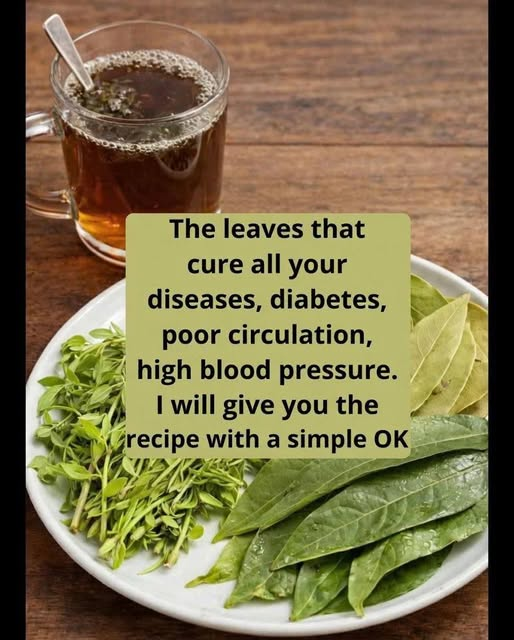
For centuries, people around the world have used medicinal plants and leaves as part of traditional wellness practices. From herbal teas to natural ingredients added to everyday meals, leaves have played an important role in traditional approaches to health.
Some online claims go even further, suggesting that a single type of leaf can cure diabetes, improve poor circulation, lower high blood pressure, and even eliminate cancer without medication.
But is there really a miracle leaf that can treat all these conditions?
The truth is that no leaf has been scientifically proven to cure all these diseases or replace necessary medical treatment. However, certain edible plants contain nutrients and natural compounds that researchers continue to study for their potential health benefits.
Understanding what these plants can—and cannot—do is essential for making safe decisions about your health.
1. Moringa Leaves: A Nutritious Addition to Your Diet
Moringa leaves come from the Moringa oleifera tree and are commonly eaten in parts of Asia and Africa. They can be cooked as vegetables, added to soups, or consumed as an ingredient in certain traditional dishes.
Moringa leaves contain nutrients such as vitamin C, carotenoids, and other plant compounds. Their nutritional content makes them a useful addition to a varied diet.
Researchers have also investigated whether moringa preparations may influence blood sugar, cholesterol, or blood pressure. However, the available human evidence is limited, and studies do not establish moringa leaves as a reliable treatment for diabetes or hypertension.
If you enjoy moringa, consider eating it as a food rather than relying on concentrated supplements to manage a medical condition.
2. Can Moringa Leaves Help People With Diabetes?
Diabetes is a condition in which blood glucose levels remain too high because the body does not produce enough insulin or cannot use insulin effectively.
Some early research has explored whether compounds in moringa may affect glucose metabolism. However, there is not enough high-quality clinical evidence to conclude that moringa leaves can safely control diabetes on their own.
People living with diabetes can benefit from a balanced diet, regular physical activity, blood glucose monitoring, and prescribed treatment.
Although nutritious vegetables can be part of a diabetes-friendly eating plan, moringa should never be used as a replacement for insulin or other prescribed diabetes medication.
Some herbal products may also interact with medication or influence blood glucose, potentially increasing the risk of low blood sugar.
3. Certain Leaves May Support Healthy Blood Pressure
High blood pressure places additional strain on blood vessels and increases the risk of heart disease, stroke, and kidney problems.
Leafy vegetables such as spinach, kale, and other greens provide potassium, magnesium, fiber, and other nutrients that contribute to a balanced diet.
Getting enough potassium from food can help support normal blood pressure in many people. However, the effect of a specific food depends on the overall diet and individual health circumstances.
It is important to distinguish between eating nutritious leafy vegetables and taking unproven herbal remedies. No single leaf has been established as a cure for hypertension.
People with kidney disease or those taking certain blood pressure medications may need to monitor their potassium intake under medical guidance.
4. What About Poor Circulation?
Poor circulation can have several causes, including narrowed arteries, diabetes-related blood vessel damage, and problems with veins.
Some plant compounds are being studied for their effects on inflammation, oxidative stress, and cardiovascular health. However, evidence that a particular medicinal leaf can restore circulation or remove arterial blockages is insufficient.
Healthy habits can help support cardiovascular health:
- Avoid smoking and tobacco products.
- Stay physically active according to your abilities.
- Eat a variety of vegetables, fruits, whole grains, and suitable protein sources.
- Manage cholesterol, blood pressure, and blood glucose.
- Follow medical advice if you have diagnosed vascular disease.
Sudden pain, coldness, numbness, or a change in the color of an arm or leg can indicate a serious circulation problem. Seek urgent medical care rather than attempting to treat it with herbs.
5. Can Any Leaf Cure Cancer?
Cancer is a group of diseases involving the abnormal growth and spread of cells. Different cancers behave differently and require different approaches to diagnosis and treatment.
Scientists study plants because some contain compounds that may have biological activity. In laboratory experiments, certain plant compounds have affected cancer cells. However, results in laboratory dishes do not prove that eating the plant or drinking its tea treats cancer in humans.
There is currently no reliable evidence that moringa leaves, or any other single leaf, can cure all cancers or eliminate the need for cancer treatment.
Cancer care may include surgery, chemotherapy, radiation therapy, immunotherapy, targeted therapies, or other treatments depending on the diagnosis.
People undergoing cancer treatment should discuss herbal products and supplements with their oncology team because some may interfere with medications or affect treatment safety.
Never delay cancer screening, diagnosis, or prescribed treatment in favor of an herbal remedy.
6. Other Edible Leaves With Nutritional Benefits
Several commonly available leaves can contribute to a healthy diet without being promoted as miracle cures.
Spinach
Spinach provides folate, vitamin K, carotenoids, and other nutrients. It can be eaten cooked or raw as part of a varied diet.
People taking warfarin or certain related medications should keep their vitamin K intake consistent and follow their clinician’s advice.
Curry Leaves
Curry leaves are commonly used in South Asian cooking. They provide flavor and contain various plant compounds, but strong clinical evidence that they treat diabetes, hypertension, or cancer is lacking.
Basil Leaves
Basil is an aromatic herb that can add flavor to meals. Different varieties contain different plant compounds, but basil tea or leaves should not be considered a replacement for medical treatment.
Moringa Leaves
Moringa is a nutrient-containing edible plant that can be incorporated into ordinary meals. Research into its potential medical effects is ongoing, and its use should be kept separate from claims of disease cures.
7. How to Include Edible Leaves in Your Daily Routine
You do not need a complicated herbal recipe to benefit from leafy vegetables.
Try these simple ideas:
- Add washed spinach or other leafy greens to soups and stews.
- Use fresh herbs such as basil to add flavor to meals.
- Cook edible leaves thoroughly when appropriate for the plant and preparation.
- Choose food-grade products from reliable sources.
- Avoid unidentified wild plants and concentrated herbal preparations with unclear ingredients.
If you take medication or have a chronic medical condition, ask a healthcare professional before using herbal supplements regularly.
Eating a variety of whole foods is generally a safer strategy than depending on one plant to treat multiple illnesses.
8. Warning Signs You Should Never Ignore
Natural remedies cannot safely replace urgent medical care.
Seek emergency assistance for symptoms such as sudden chest pain, severe shortness of breath, facial drooping, difficulty speaking, or sudden weakness on one side of the body.
If you have persistent high blood pressure, unusually high blood glucose, unexplained weight loss, or a new lump, arrange an appropriate medical evaluation.
Early diagnosis and evidence-based treatment can make a major difference in managing many serious health conditions.
Final Thoughts
Leaves such as moringa, spinach, basil, and other edible greens can provide valuable nutrients and contribute to a balanced diet. Researchers continue to investigate whether some plant compounds may offer additional health benefits.
However, no single leaf has been proven to cure diabetes, poor circulation, high blood pressure, and cancer without medication.
The safest approach is to enjoy edible plants as part of a nutritious diet while using appropriate screening, medical advice, and proven treatments for diagnosed conditions.
Natural does not automatically mean safe, and a traditional remedy is not the same as a scientifically proven cure.